Best Ways to Save on Subscriptions & Digital Tools
Jan 07, 2026
Best Ways to Save on Subscriptions & Digital Tools
Let me start with something I learned the hard way: subscriptions don’t feel expensive until you stop and actually look at them. A few dollars here, ten dollars there, and suddenly your bank statement looks like a graveyard of forgotten apps, streaming services, and tools you swore you’d use “next month.”
Subscriptions themselves aren’t the enemy. They’re convenient, flexible, and often genuinely useful. The real issue is that most of us never actively manage them. We sign up, move on, and let recurring charges quietly drain our budget. This guide is about fixing that—not with extreme frugality or time-sensitive deals, but with habits that save money year after year.
Who This Guide Is Really For
If you’ve ever hesitated to cancel a subscription because you might need it later, this is for you. If you’re juggling streaming services, cloud storage, productivity tools, AI subscriptions, or SaaS platforms and feel vaguely unsure what you’re paying for, you’re exactly the person I had in mind while writing this.
It doesn’t matter whether you’re a freelancer, a remote worker, a student, or just someone with a smartphone and a credit card. If subscriptions are part of your life, you can benefit from managing them better.
The Hidden Cost of “Small” Monthly Charges
Most people seriously underestimate how much they spend on subscriptions. That’s not a guess—it’s backed by research. A study found that consumers often underestimate their subscription spending by nearly double what they actually pay.
When you stack entertainment services, productivity tools, cloud storage, and niche apps, it’s surprisingly easy to cross $50 or even $100 per month. Over a year, that becomes hundreds—or well over a thousand—dollars. And the worst part? Many of those subscriptions don’t meaningfully improve your life anymore.
Starting With a Subscription Audit (The Step That Changes Everything)
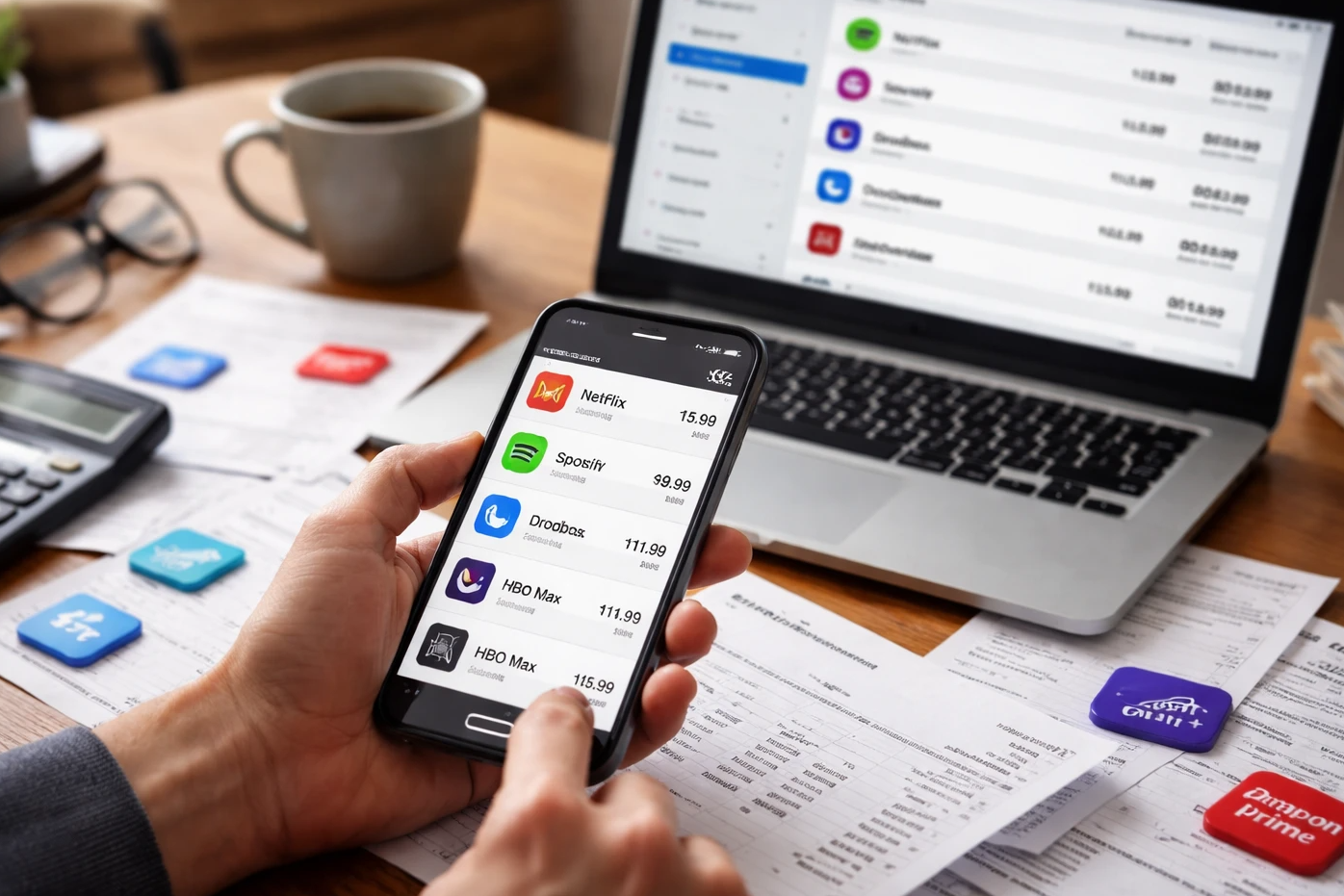
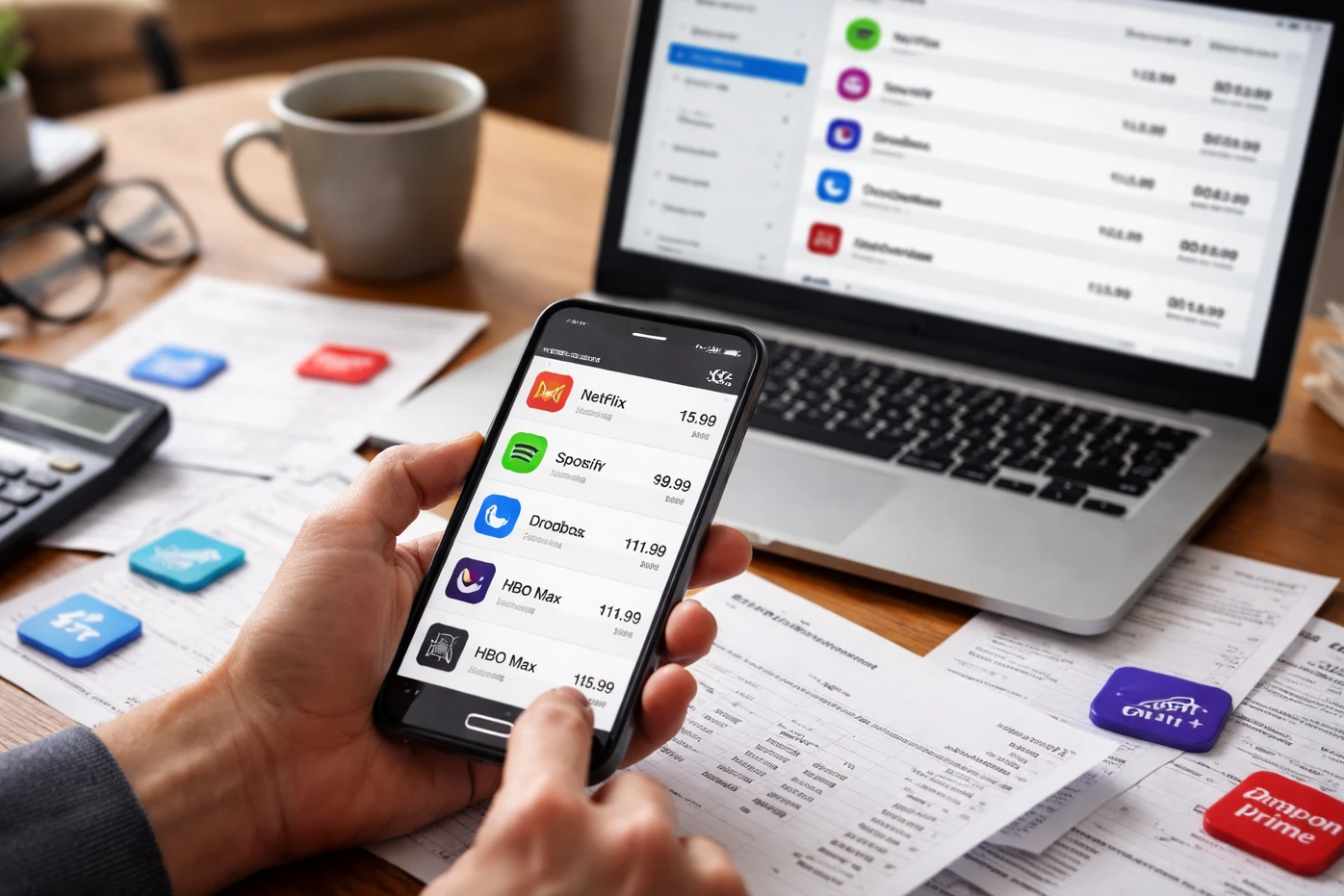
The biggest mistake people make is trying to “save money on subscriptions” without first knowing what they’re paying for. I always start with a full audit. That means opening my bank and credit card statements and scanning a few months back, line by line, looking for anything that repeats monthly or annually.
This process is eye-opening. You’ll find services you forgot existed, tools you replaced but never canceled, and subscriptions that quietly renewed while you weren’t paying attention. App stores, PayPal, and business dashboards are especially sneaky places where charges hide.
If you want help spotting these automatically, subscription trackers like Rocket Money or Truebill can surface recurring charges you might miss. Once everything is visible, the rest of the process becomes much easier.
Read more: How to Find the Best Online Discounts: A Smart Shopper’s Guide
Why We Keep Paying for Things We Don’t Use
Here’s the part that helped me stop feeling guilty about overspending: subscriptions are designed to exploit human behavior. They rely on inertia. Once you sign up, the effort required to cancel is often higher than the effort required to keep paying.
There’s also fear involved. We worry we’ll lose access, lose progress, or suddenly need the service after canceling. On top of that, there’s optimism bias—the belief that we’ll use the tool more “next month.” When you understand these psychological hooks, it becomes easier to make rational decisions instead of emotional ones.
Canceling or Pausing Subscriptions Without Regret
Once I see everything laid out, I start canceling aggressively. If I haven’t used a subscription in the last month or two, it’s gone. Not “maybe later,” not “I’ll think about it”—gone.
For services that offer a pause option, I use that instead of canceling outright. Pausing is perfect when you want to keep your data or settings without paying during downtime. I also set calendar reminders before renewals, especially for annual plans, so I’m never surprised by a charge again.
The key mindset shift is this: canceling doesn’t mean you can’t come back. If you truly need the service again, you can resubscribe in minutes.
Downgrading Instead of Cutting Access Completely
Sometimes canceling isn’t necessary. In many cases, you’re just paying for features you don’t use. This is especially true with SaaS tools, streaming platforms, and productivity software, where premium plans often include extras that sound nice but don’t affect daily use.
I’ve saved a lot simply by dropping to basic tiers. In most cases, the core functionality remains intact. You still get the value—just without the bloated price tag.
Choosing Between Monthly and Annual Billing the Smart Way
Annual billing can absolutely save money. Many digital tools offer discounts of 15–30% if you pay upfront for a year. The mistake people make is committing too early.
I always start monthly. Once I’ve used a service consistently for a couple of months and know it’s part of my routine, then I consider switching to annual billing. For entertainment or experimental tools, monthly flexibility is almost always better than locking myself in.
Sharing Plans and Using Group Options Responsibly
Family and group plans are one of the easiest ways to reduce costs without losing access. Many services are designed for shared use, and splitting the bill can dramatically lower what each person pays.
The important part is doing this legitimately and within the platform’s terms. When done right, this strategy alone can cut subscription spending by a noticeable margin.
Rotating Subscriptions Instead of Stacking Them
This was a game-changer for me. Instead of paying for everything at once, I rotate subscriptions based on what I’m actively using. I’ll subscribe to one service, use it fully, cancel it, and then move on to the next.
This approach works especially well for streaming services, learning platforms, and niche tools. You still get full value—you just don’t pay for unused time.
Finding Subscriptions You Already Get for Free
One of the most overlooked ways to save money is checking what you already have access to. Credit cards, mobile plans, internet providers, and even employers often bundle digital services without advertising them loudly.
For example, some credit cards offer streaming credits or software perks as part of their benefits. It’s also common to pay twice for the same thing, especially cloud storage or productivity tools. Once you notice overlaps, canceling becomes an easy decision.
Using Discounts Without Letting Them Control You
Promotions and discounts are helpful, but only if you were already planning to subscribe. The danger is upgrading or signing up just because something is “on sale.” That’s how you end up spending more, not less.
Whenever I use a discount, I immediately set a reminder for when it ends. That way, I can reassess whether the subscription still makes sense at full price.
Lifetime Deals and Bundles: Useful but Risky
Lifetime deals from platforms like AppSumo or StackSocial can be great for simple, non-critical tools. Paying once instead of monthly feels like a win.
That said, I never rely on lifetime deals for essential services. Tools shut down, support fades, and updates stop. I treat these deals as bonuses, not foundations.
Switching to Cheaper or Free Alternatives
Before paying for anything, I ask myself what problem I’m actually solving. More often than not, free tools or lower-tier plans handle the basics just fine.
Paid tools earn their place when they save time, reduce friction, or help generate income. Everything else should be questioned.
Automating Subscription Monitoring
Once you’ve cleaned things up, the goal is to stay clean. Subscription tracking apps, renewal alerts, and monthly reviews help prevent old habits from creeping back in. Automation removes the mental load and keeps spending intentional.
Making Subscription Reviews a Habit
Every few months, I do a quick check-in. I look at what I’m paying for, what I actually used, and what no longer makes sense. This habit alone has saved me more money than any single cancellation.
Final Thoughts: Take Control, Don’t Deprive Yourself
Saving money on subscriptions isn’t about cutting joy or convenience. It’s about making sure your money goes toward tools and services that genuinely support your life.
If you do one thing after reading this, make it simple: review one subscription today and decide whether it still deserves your money. Do that regularly, and you’ll be shocked at how much budget you free up without feeling like you’ve given anything up.


